
Plant species suitable for bonsai
A synopsis of each species.
This is not an exhaustive list and it is a work in progress. Here are some plant species that have proven to thrive and be successfully grown as bonsai in the Western Cape, based on our extensive experience of over 55 years.
These species have demonstrated adaptability to bonsai cultivation in the Western Cape region and have a track record of success in bonsai practice over several decades. However, it is important to note that the suitability of a particular species for bonsai can vary based on factors such as climate, local conditions, and individual preferences. As with any bonsai project, it is recommended to research the specific care requirements and techniques for each species to ensure the best results.
Catlin Elm
The Catlin elm (Ulmus parvifolia ‘Catlin’) is a cultivar of the Chinese Elm specifically bred as a bonsai plant by John Catlin around 1950. This dwarf variety is highly regarded in the bonsai community for its small leaves, measuring less than 12 mm in length. In Cape Town the Catlin elm remains evergreen throughout the year due to our mild climate. The Catlin elm’s small leaves and compact growth make it an excellent choice for creating intricate and finely detailed bonsai designs and great branch ramification is easy to achieve.
Coral Tree
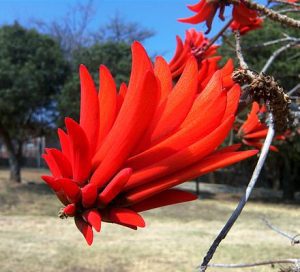
Coral trees, scientifically known as Erythrina spp., are fast growing, captivating flowering trees that can also be transformed into stunning bonsai specimens. With their vibrant, fiery red or orange blossoms, coral trees create a dramatic display that is truly eye-catching. As bonsai, coral trees offer unique challenges and rewards. Their compound leaves, thorny branches, and distinctive trunk texture contribute to their visual appeal. The leaves miniaturise significantly in Bonsai. Bonsai enthusiasts carefully prune and shape the coral tree’s branches and foliage to maintain its graceful form and compact size. The coral tree’s striking flowers, showcased against the backdrop of its delicate foliage, make it a delightful addition to any bonsai collection, adding a burst of color and tropical flair. However, it’s important to note that coral trees are toxic to humans and animals, so caution should be taken when handling them.
Spekboom
Spekboom, also known as Portulacaria afra, is a versatile and resilient succulent native to South Africa. With its small, round leaves and thick, reddish stems, spekboom possesses all the qualities that make it an excellent candidate for bonsai cultivation. As a bonsai, spekboom offers unique characteristics, including its ability to store water in its leaves, making it highly drought-tolerant and easy to care for. Its compact size and bushy growth habit make it ideal for shaping into intricate bonsai designs, allowing enthusiasts to create miniature landscapes of natural beauty. Whether displayed indoors or outdoors, a spekboom bonsai provides a charming and captivating addition to any bonsai collection, bringing a touch of the African wilderness into the art of bonsai.
Buddleja
Buddleja, commonly known as the butterfly bush or false olive, is not only a beloved garden plant but also holds great potential as a captivating bonsai specimen. Its fast growth rate and flexible branches make it an excellent choice for bonsai enthusiasts looking to create intricate designs and maintain a compact size. The foliage of the buddleja bonsai, which dramatically reduces in size with regular pruning, is particularly attractive, ranging from silvery-gray to deep green, adding visual interest and texture to the display. In the garden, when left unpruned, the buddleja produces abundant clusters of fragrant flowers that act as a magnet for butterflies and other pollinators, enhancing the enchanting appeal of the tree. Beyond its ornamental value, buddleja has traditional medicinal uses, with the roots serving as a purgative and the leaves being utilized for the treatment of coughs and colds. With its evergreen foliage, frost hardiness, and drought resistance, buddleja is a reliable choice for bonsai enthusiasts in a variety of climates. Widely distributed throughout South Africa, it holds a special place in the hearts of both gardeners and nature lovers alike.
Satsuki azalea
Satsuki azaleas are highly sought-after bonsai plants for several compelling reasons. Their ability to withstand hard pruning makes them adaptable to bonsai cultivation, allowing enthusiasts to shape and style them according to their artistic vision. One of the most captivating features of Satsuki azaleas is the diversity in their flower colors, shapes, and sizes, adding a delightful element of variety to bonsai displays. These azaleas also thrive in pot culture, making them well-suited for bonsai enthusiasts who prefer to cultivate their plants in containers. It is important to note that Satsuki azaleas prefer acidic soil, which should be taken into consideration when providing the necessary growing conditions. Unlike many other bonsai plants, Satsuki azaleas are basally-dominant, meaning their growth tends to concentrate near the base rather than the top. Repotting is typically done after blooming is complete, as the energy required for flower production can be demanding on the plant. Removing dead flowers during this time helps redirect energy toward new growth. Native to the mountains of Japan, Satsuki azaleas thrive in environments that offer protection from harsh afternoon sun, making proper shading an essential consideration for their care.